Talk To An Adviser

We’re available Monday to Friday, 8:00am to 5pm, by phone or email.

Request A Call Back

Reason
Select option
Call Back Time
Select option
What State Do You Live In
Select option

Discuss Your 401(k) After Moving Abroad

In this 30-minute session, an adviser will help you:

  • Understand what happens to your 401(k) once you become non-U.S. resident.
  • Clarify your available options – keeping, rolling over or restructuring your plan.
  • Review tax implications tied to withdrawals, rollovers and future residency.
  • Identify potential restrictions imposed by U.S. providers on expat account.
  • Assess how your 401(k) fits into your wider cross border retirement strategy.
  • Navigate provider restrictions and account access issues.
  • Avoid unnecessary tax or compliance mistakes.
  • Align your 401(k) decisions with your long-term plans overseas.

Understand what really happens to your 401(k) after you move abroad and how to plan your next steps with confidence.

Check My 401(k) Options

When Americans relocate overseas, they often experience changes in how they think about income, currency, tax frameworks, and long-term retirement planning. One area that frequently prompts questions is the 401(k) that remains in the United States, even when the individual is no longer living there.

A 401(k) generally stays under U.S. rules, inside the U.S. financial system, regardless of where the account holder resides. For individuals who move abroad, this often leads to practical questions:

  • Can I continue to keep the account?
  • Will my provider still service me if I have a non-U.S. address?
  • What happens if I want to rebalance or change funds?
  • How is the account treated for U.S. tax purposes while I am overseas?
  • What are my options now that I no longer contribute?

What Really Happens to Your 401(k) When You Move Abroad

While the account stays under US law, living abroad can impact access, flexibility, and long-term planning.

Check My 401(k) Options

How We Help U.S. Expats Take Control of 401(k)

Review Your Retirement Account Position

We start by getting a clear picture of your existing accounts - 401(k)s, IRAs, and any other U.S. retirement assets - so you know exactly what you're working with.

Neutral Evaluation of Rollover Options

We evaluate whether a rollover makes sense for your situation, which accounts are eligible, which option is suitable, and what the timing and tax implications look like for you.

Build Your Rollover Strategy

You receive a clear plan showing your options, what each one costs, and how each fits your long-term retirement goals, whether you plan to stay abroad or eventually return to the U.S.

Ongoing Cross-Border Planning

As your life evolves, we review your retirement strategy regularly to keep everything aligned.

Frequently Asked Questions

Can I keep my 401(k) if I move overseas?

Yes. Your 401(k) remains a U.S. retirement account governed by U.S. rules. You may keep it when living abroad, though servicing policies vary by provider.

How long does a 401(k) rollover take?

The timeframe for completing a 401(k) rollover can vary. Once your new account is open and all required documentation has been submitted, the transfer depends on your former plan provider’s processing times and whether they release funds by check or electronically. Some rollovers are completed within a couple of weeks, while others may take longer. We monitor the process and keep clients informed at each stage, but the exact timing is determined by the rules and procedures of the plan administrator holding the assets.

Can I keep my 401(k) if I live outside the U.S.?

Yes - in most cases you can keep the account, though servicing rules vary by provider. Some administrators restrict foreign access.

Can I transfer my 401(k) into a foreign pension?

No. U.S. law treats such transfers as taxable distributions. Cross-border pension transfers are not permitted.

Can I lose my 401(k)?

A 401(k) can fluctuate in value because most retirement plans include investments that rise and fall with market conditions. This means the account may experience periods of growth as well as periods of decline. Market downturns — such as those seen in 2008 — affected many retirement accounts that were invested in equities or other risk-based assets. How your own 401(k) behaves depends on the specific investments you hold, the level of risk in the portfolio, and changes in the broader market. A diversified investment approach can help reduce the impact of volatility, but it does not eliminate the possibility of losses. It’s important to review your investment choices periodically to ensure they remain appropriate for your goals, time horizon, and tolerance for risk.

Built-In Support for Every Step of Your Journey

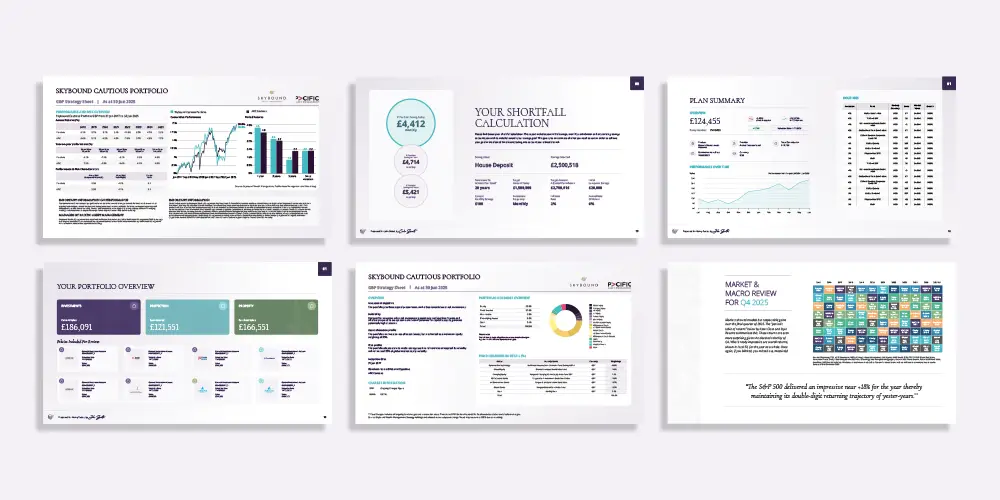
Ongoing Support

Quarterly reviews, ongoing rebalancing, regular portfolio factsheets — we’re with you for the long haul, adjusting your plan as life evolves.

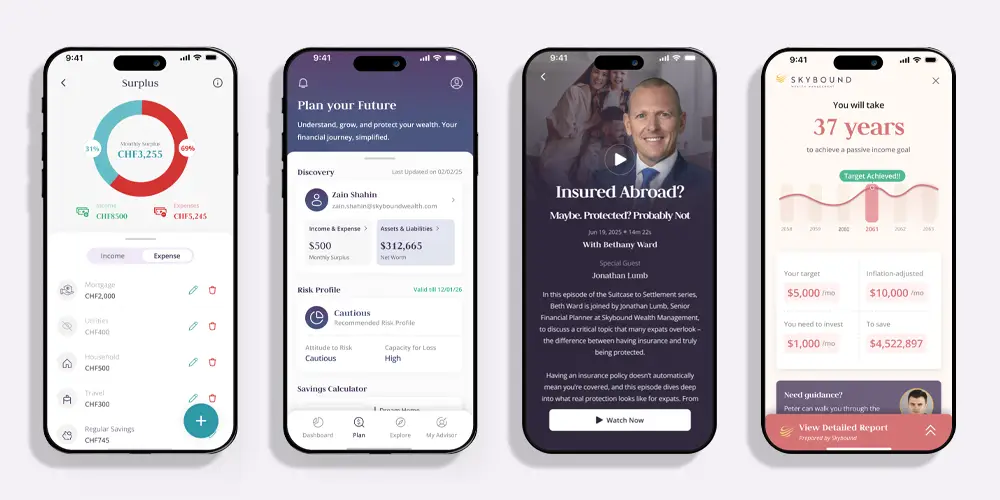
App

Manage your investments 24/7 with the Skybound Wealth App offering real-time portfolio views, performance summaries, and seamless adviser access.